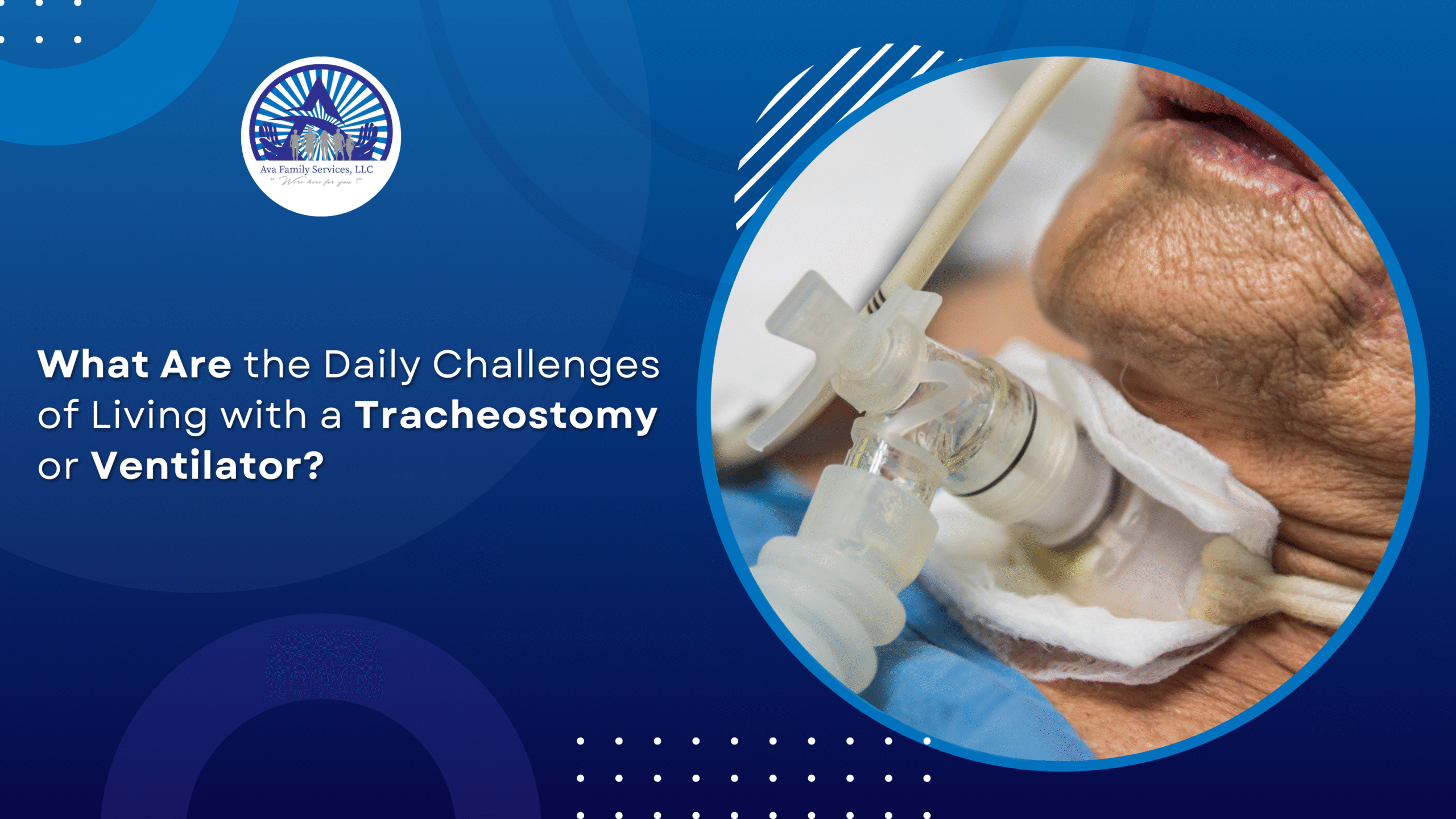
Being a tracheostomy patient or ventilator patient is difficult. A tracheostomy is a small opening in the neck that facilitates breathing. A ventilator is known as a breathing machine. A large number of children and young adults are dependent on them. Life can be happy with the help and love. Still, families continue to encounter problems in their daily lives.
What Is a Typical Morning Like?
Mornings start with checks. We examine the tube, the machine, and the skin. We clean the area around the tube so it stays healthy. We check that the ventilator is working well. We watch how the child breathes. All this takes time and care. It helps keep the child safe for the whole day.
Keeping Breathing Equipment Working
Machines need power and care. Tubes and filters need to be changed often. If a tube gets blocked, the child can cough or feel hard of breath. That is why we keep spare parts ready. We make sure the battery and cords are safe. We also teach simple steps so parents and caregivers know what to do if the machine stops or an alarm goes off.
Feeding and Mealtime Challenges
Some children eat by mouth. Others need a special tube for food. Mealtime can take longer. We watch for coughing or choking. We check that the food goes the right way and the child is cozy and upright. Feeding needs patience and teamwork. It can be a time for smiles, talking, and building trust.
Cleaning and Skin Care
The skin around the tube needs daily care. Baths, cleaning, and dry skin checks are important. Pressure on the same spot can cause soreness. We move the child gently and change the cushions to help. Clean hands and clean tools help stop infections.
Moving and Transfers
Moving from bed to a chair, or into a car, needs careful planning. The tube and machine must be safe while moving. We use belts, pillows, and helpers to make moves smooth. This keeps the child safe and makes travel possible.
School, Friends, and Play
Kids want to learn and play like others. A tracheostomy or ventilator can make school and play harder, but not impossible. Teachers and aides can learn how to help. Friends can learn simple facts so they feel safe and kind. Small steps help a child join class, play games, and make friends.
Noise, Smells, and Alarms
Ventilators make noise. Alarms may beep. These sounds can be scary at first. Families learn what each sound means. We teach calm ways to check alarms and fix small problems. Over time, the sounds feel less scary.
Feeling Sad or Worried
Living with medical needs can bring big feelings. Kids and parents may feel sad, mad, or scared. It is okay to feel that way. Talking to a nurse, therapist, or friend can help. We listen and comfort families. Small wins, like a new skill or a good night’s sleep, can bring big joy.
Medical Visits and Emergencies
Doctors and therapists often check the child. These visits help keep the child healthy. Sometimes there are urgent times that need quick help. We teach families when to call a nurse or go to the clinic. Knowing the steps helps families feel safer.
Managing Supplies and Paperwork
Supplies like tubing, filters, and batteries must be ordered and stored. Paperwork for insurance and care can be hard to do. We help families learn how to keep supplies ready and how to manage paperwork. This makes daily life smoother.
How Ava Family Services Can Help
At Ava Family Services, we bring care into the home. We serve children and young adults under 21 who need help every day. We help families with many conditions, such as spinal muscular atrophy, complex breathing problems, tracheostomy and ventilator care, cerebral palsy, muscular dystrophy, brain injuries, and more. We also support hospital-to-home transitions and personal care tasks like feeding, bathing, and moving.
Our services are free for families whose child already has Medicaid, including those on Katie Beckett. If your child is under 21 and has Medicaid, they may qualify for no-cost in-home skilled nursing or personal care. We send trained nurses and caregivers who know how to care for tubes and machines. We come to your home with skills, kindness, and respect. We want families to feel calm and supported.
Simple Tips for Families
- Learn small steps every day. Practice makes care easier.
- Keep a spare set of parts and batteries ready.
- Make a clear plan for emergencies. Share it with family and school.
- Keep the child’s skin clean and dry. Check the neck daily.
- Let the child join tasks as much as they can. This builds skill and confidence.
- Take time for rest and for fun. Joy helps the whole family.
Final Thought
Life with a tracheostomy or ventilator has extra work, but it also has many tender moments. With steady care, good plans, and kind help, children can grow, learn, and laugh. At Ava Family Services, we stand with families every step of the way. We bring in-home skilled nursing and personal care with love and skill. You are not alone. We are here to help.
FAQs
Is the care safe at home?
Yes. With trained support and the right tools, home care can be safe and calm.
Why is home care helpful?
Home care lets children stay comfortable with their family while getting support.
No comment